










Can You Vape in Tunisia?
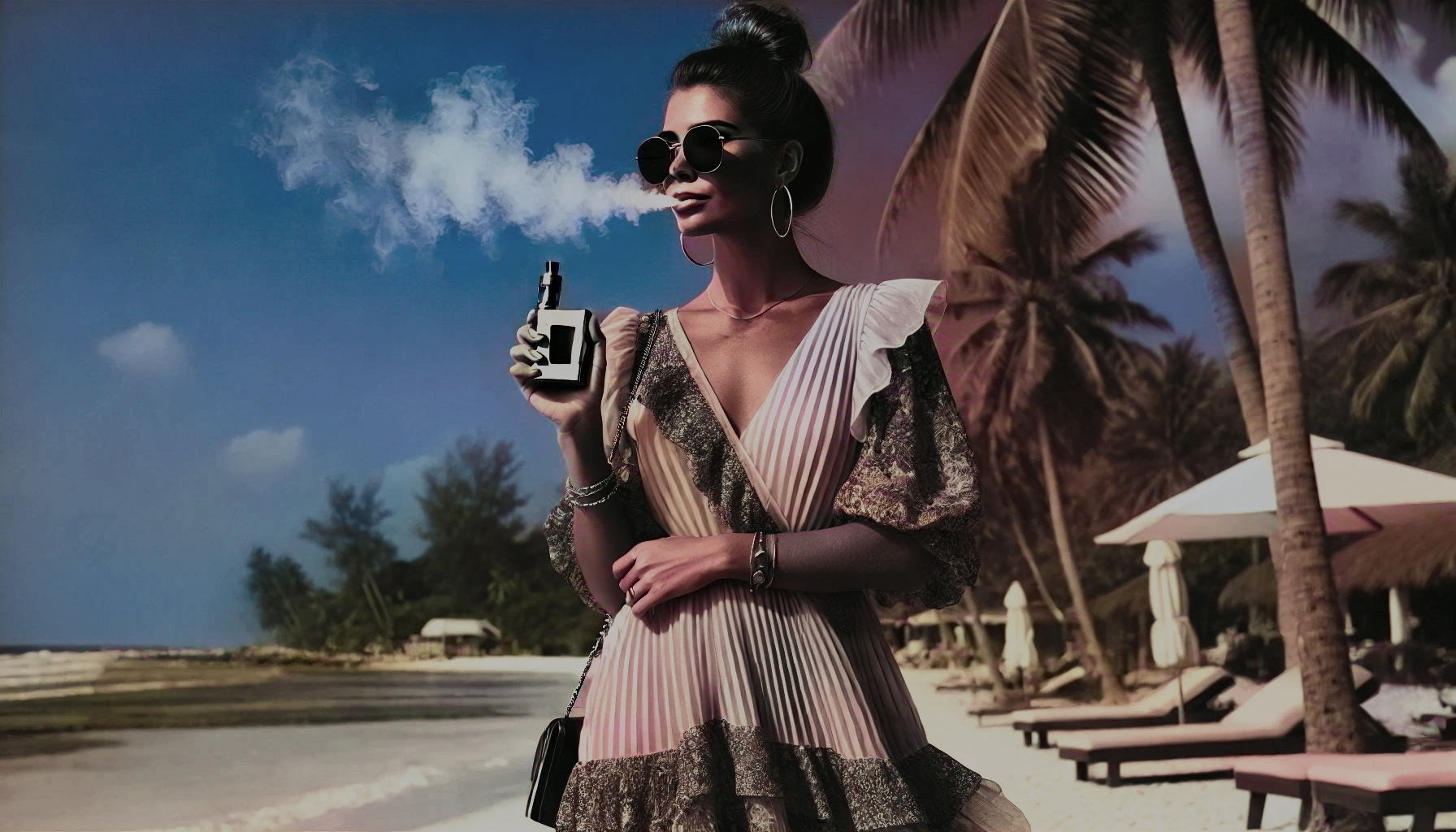
Can you vape in Tunisia?
A clear UK 2026 traveller answer. Short answer: yes, but in a legal grey area. Bring your own kit, be discreet around mosques and family spaces.
The short answer
Legal grey areaYes, in a grey area.
No specific law banning vapes. Vendors apply 18+ as a convention. Vape shops in Tunis, Sousse and Hammamet. Be discreet around religious spaces.
~100k
Vapers in Tunisia (2022)
18+
Vendor minimum age
Tunisia has no specific law banning e-cigarettes and no specific law regulating them either. Vaping sits in a regulatory grey zone. There is no statutory minimum age but vendors apply an 18-year minimum age for sales as a self-imposed convention matching the legal smoking age. Vape shops operate openly in major cities including Tunis, Sousse and Hammamet, stocking international brands like Elf Bar and Geek Bar alongside some local products. Tunisia had approximately 100,000 vapers as of 2022 and the market is still developing. Tourists can bring 1 to 2 personal vape devices and a reasonable supply of e-liquid through customs in carry-on luggage. Public vaping etiquette is important because Tunisia is a conservative Muslim country: avoid mosques, religious sites, family spaces and government buildings. The state-owned Régie Nationale des Tabacs et des Allumettes (RNTA) holds a tobacco monopoly and was historically the only body legally entitled to sell vape products, though independent shops have operated for years without enforcement issues. Three layers of tax apply to commercial vape sales: 50% statutory tax on heated tobacco, 15% customs duty and 19% VAT, which means Tunisian shop prices run substantially higher than the UK. Bring enough supplies for the whole trip rather than relying on local availability. Snus is permitted in Tunisia and nicotine pouches sit in a similar grey area without specific laws.
Tunisia vape landscape in figures
Three figures that frame the rules for UK visitors.
100k
Vapers in Tunisia
Approximate vaper population as of 2022. Growing market with shops in Tunis, Sousse and Hammamet.
50%
Heated tobacco tax
Statutory tax rate on heated tobacco products under tariff M24.03 (revised 2020 from the 1988 tax law).
15%
Customs duty
Import duty on vape products. Plus 19% VAT. Combined effect raises retail prices substantially above UK level.
Tunisia vape rules for UK travellers
Tunisia has one of the more permissive vape regimes in North Africa, sitting between the heavily regulated UAE and the more recently liberalised Egypt. The legal framework is light-touch but not absent. UK travellers should plan around four areas: legal status, where to vape, where to buy and what to bring.
Legal status
There is no specific law banning e-cigarettes in Tunisia. There is also no specific framework regulating them. Vaping is not outright illegal but the rules remain unclear, which puts it in a regulatory grey zone. The Tunisian government has expressed interest in introducing formal regulations and has imposed taxes on vape products through the 2020 revision of the 1988 tax law (N. 88-62) which added heated tobacco under tariff M24.03. Sale to minors is restricted by vendor convention rather than statute. Advertising of vape products is banned. Tourists are welcome to bring vapes for personal use.
Bringing a vape into Tunisia
UK travellers can bring 1 to 2 personal vape devices and a reasonable supply of e-liquid (typically a few bottles for trip length) through Tunisian customs. Pack devices and batteries in carry-on luggage only. Lithium-ion batteries are not permitted in hold luggage on most airlines. E-liquid bottles over 100 ml cannot be in cabin baggage but can be in your hold suitcase. Carry the original packaging. Customs officers in some smaller airports may not be familiar with vape products so the original packaging helps to demonstrate personal use. Larger commercial-looking quantities can be questioned and may attract import duty. There are no specific personal-use limits but be reasonable.
Where you can vape
Outdoor public spaces in tourist areas are generally fine. Beach resorts in Hammamet, Sousse, Djerba and Monastir typically tolerate vaping in outdoor zones. Hotel balconies and terraces are usually permitted (always check the hotel policy first). Many cafes in Tunis and Sousse have outdoor seating where vaping is more tolerated. The bigger tourist hotels along the Mediterranean coast are typically the most relaxed. Local cafes catering to younger Tunisians often welcome vaping.
Where to be discreet or avoid
Tunisia is a conservative Muslim country and discretion matters. Avoid vaping in or near mosques, religious sites, government buildings, family-oriented spaces, hospitals and schools. Indoor public transport bans smoking and the same etiquette extends to vaping. Tunisian smoking laws restrict use in public buildings, government offices and on public transport. Even where vaping is technically not banned by statute, vaping in front of older Tunisians, in conservative neighbourhoods, or during prayer times can attract negative attention. Most Tunisians are not familiar with vaping so discretion in public is appreciated.
Where to buy
Vape shops operate in major Tunisian cities. Vapstore Tunis in the capital, E-Cig Tunisia and Vap Street have multiple locations across the country. International brands including Elf Bar and Geek Bar are stocked alongside some local products. Selection is more limited than UK shops and stock is inconsistent. Prices run 30 to 50 percent higher than the UK because of the 15% customs duty plus 19% VAT plus the 50% heated-tobacco tax that applies in some categories. The state-owned RNTA tobacco monopoly historically held the formal sales license for vape products though independent shops have operated for years. Bring your preferred device and enough pods, coils and e-liquid to last the trip.
Age limits
There is no statutory minimum age for vaping in Tunisia. Vendors apply an 18-year minimum age as a self-imposed convention matching the legal smoking age. Age verification is inconsistent across different shops and across cities. The lack of a formal legal framework has been a point of concern for Tunisian public health advocates and government discussions about formalising the regime have been ongoing.
Other nicotine products
Snus is permitted in Tunisia for sale, purchase and use. Nicotine pouches sit in a similar regulatory grey area to vapes with no specific laws. Heated tobacco products (HTPs) including IQOS are permitted but subject to the 50% tax rate. Nicotine replacement therapy (NRT) products like patches and gum are available but distribution is limited. Cigarettes are widely available and inexpensive (the RNTA monopoly).
Ramadan etiquette
Tunisia observes Ramadan widely. There is no national law banning tourist public consumption during fasting hours but social etiquette is important. Vaping or eating publicly during fasting hours can cause offence. Tourist hotels, resorts and Western-style restaurants typically continue normal service during the day. Outside those zones be discreet during fasting hours. After iftar (the post-sunset meal) the streets come alive and standard rules return. Tunisia is generally more relaxed about public Ramadan observance than Saudi Arabia or the UAE.
For your trip a small pod kit or compact MTL device fits easily into hand luggage and is the most travel-friendly option. Our compact travel range covers options sized for international trips and meeting standard airline cabin rules.
Four tips for vaping in Tunisia
Bring your own supplies
Local stock is limited and prices are 30 to 50 percent higher than the UK. Pack what you need for the trip rather than relying on Tunisian shops.
Pack vapes in carry-on
Lithium-ion batteries are not allowed in hold luggage on most airlines. Devices and pods stay with you. E-liquid bottles over 100 ml go in the hold.
Respect religious spaces
No vaping in or near mosques, medinas or religious sites. Discretion is important in conservative neighbourhoods and around older Tunisians.
Ask hotels first
Confirm hotel vaping policy at booking. Resort hotels on the Mediterranean coast are typically the most relaxed for balcony and terrace use.
Where to vape in Tunisia
A simple list of where vaping is fine and where it is best avoided.
Vape-friendly spaces
-
✓Hotel rooms and balconies: if the hotel permits.
-
✓Resort outdoor areas: Hammamet, Sousse, Djerba, Monastir.
-
✓Outdoor cafe terraces: Tunis, Sousse, Hammamet.
-
✓Beaches: tourist beaches typically tolerant.
-
✓Designated outdoor smoking areas: at airports and venues.
-
✓Private spaces: with the host's permission.
Be discreet or skip
-
✗Mosques and medinas: all religious sites.
-
✗Government buildings: ministries, police stations, courts.
-
✗Hospitals and schools: across all of Tunisia.
-
✗Indoor public transport: buses, trains, taxis.
-
✗Conservative neighbourhoods: rural towns and family spaces.
-
✗Public during Ramadan fasting hours: social etiquette, not law.
For more on country-by-country travel rules and customs head over to our full vaping guides hub where every travel destination is covered.
Back to the Vape Store Direct guides
This article sits inside our full vaping guides hub. Head back to the index for over 100 plain English answers covering UK vape law, hardware, e-liquid and everyday questions.
More on vaping abroad
For a North African neighbour our piece on whether you can vape in Egypt covers the more recently liberalised Egyptian regime. For another vape-friendly destination our walkthrough on whether you can vape in Turkey covers the rules in another popular UK travel destination. And our guide to vapes in hand luggage covers the cabin packing rules every UK traveller needs.

